How Painters Find Wood Rot Before the First Coat
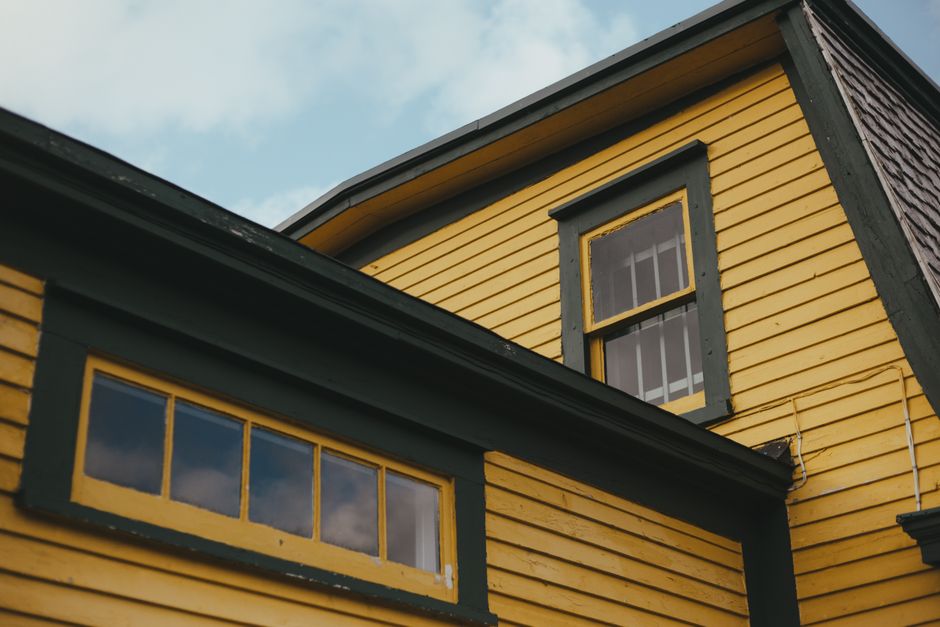
A screwdriver does one job in a prep walk: it tells the hand whether wood is sound or has lost its fibre. On exterior painting in Riverside, CA, every teardown riverside exterior painters dai in defi has logged shows the same thing, that paint over soft wood fails within a season. Rot gets found first, repaired second, and painted last.
Where rot hides on a Riverside house
The dry climate fools people. Rain is rare, but irrigation is not. Sprinklers that hit a wall, a downspout that dumps beside a post, and a planter pressed against siding all keep one spot wet. Door sills, the bottom of garage door jambs, the lower ends of fascia boards under a clogged gutter, and window sills that pitch the wrong way are the usual places. Eaves rot where a roof leak has run down inside and the paint outside still looks fine.
The screwdriver test

A flat blade screwdriver gets pressed into the wood at an angle, not hammered. Sound wood resists and leaves a small dent. Rotted wood lets the tip sink, crumbles into a damp or dry powder, or pulls away in long splinters that follow the grain. The probe walks along the whole length of a board, because rot often starts at one end or around a nail head and spreads slowly.
Reading the paint as a clue
Bubbling, a seam that has opened, a dark stain bleeding through a topcoat, or paint that lifts in a sheet are all prompts to probe. Sanding a suspect area gives another signal. Sound wood sands pale and smooth, and soft wood sands to a fuzzy, grey surface that clogs the paper. Caulk that has pulled away from a joint is a good place to start poking, since water follows that gap inward.
How far to cut back
Rot gets cut or scraped out until firm wood shows, then a little further. A small area, such as a window sill corner, can be dug out and filled. A board that is soft along a third of its length comes off. The point of the probe is to decide before the sprayer comes out, since a board replaced after painting needs another visit with primer, caulk and a new topcoat.
Moisture before paint
Wood that was recently wet needs to dry before any primer. A board that feels cool and slightly damp in the shade of an overhang can hold water long after the surrounding wall is dry. Oil based primer goes over bare patches so the acrylic latex topcoat has something to grip, and joints are sealed afterward.
Homes in older parts of town near Mount Rubidoux, with original wood trim, tend to hold more repairs than newer stucco homes, where the wood is mostly confined to fascia, sills and the front door.