What Riverside Sun Does to Exterior Window Trim

Window trim does one job on an exterior wall: it covers the joint between the siding and the window frame and sheds water away from that joint. Years of sun on the exterior of a Riverside, CA house wear that job down slowly, and the notes kept at riverside exterior painters dai in defi follow the same pattern from street to street. The surface cracks first, then the cracks open, then water gets behind the board.
How the sun breaks down the surface
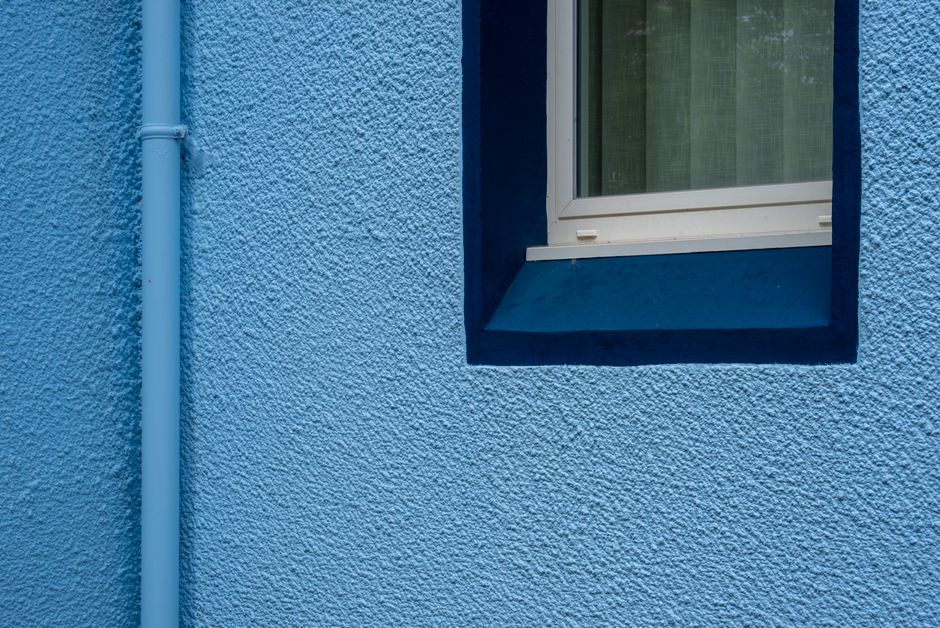
Wood on a south or west wall swings through a wide temperature range every day. The face of the board expands in the afternoon and shrinks overnight, and an old flat or satin film cannot follow it. The result is checking, a pattern of fine lines running with the grain, and on older boards a deeper alligator texture. Ultraviolet light also chalks the topcoat, so a hand rubbed across the board comes away powdery.
Sorting cracks by depth
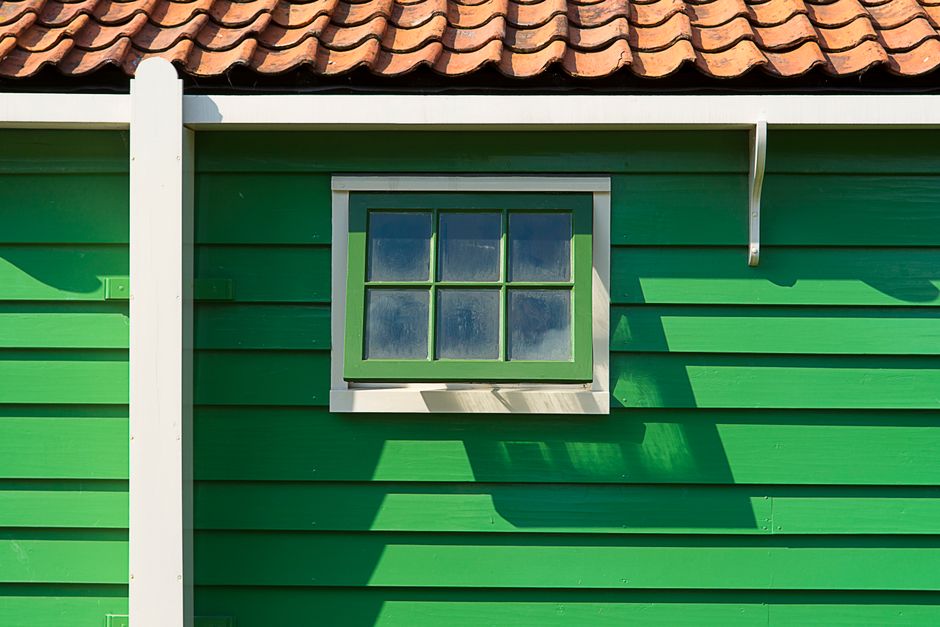
A fingernail is the first tool. A crack that a nail rides over is surface checking and needs sanding and primer. A crack the nail drops into, wider than a hairline, needs filling. Anything that moves when pressed, or sits open at the mitred corners where the top and side pieces meet, points to water already travelling behind the paint. Trim near the Santa Ana River bottoms, where morning dew is heavier than on the hillsides toward the Box Springs Mountains, tends to show that failure earlier.
Patching, filling or replacing
Hairline checks get scuff sand work, a coat of oil based or acrylic primer, and caulk at the joint between trim and siding. Open cracks take spackle or an exterior filler, pressed in slightly proud and sanded flush once cured. Spackle belongs on shallow damage only. Where the wood is soft, split along its length, or stained dark, patching hides the problem for a season and the board comes off instead.
Why caulk matters as much as paint
An open seam between trim and siding is the place water enters. Old caulk shrinks away from both sides and leaves a gap the width of a pencil line. It gets cut out, the joint is cleaned, and a paintable acrylic latex caulk goes in before the topcoat so the new film bridges it.
Finish choice on trim
Trim takes more abuse than wall surfaces, so most crews use a semi gloss or satin enamel over it, with eggshell or flat on the walls around it. The harder sheen sheds dirt and water better and wipes clean. Two coats go on, with the first coat cut in carefully along the glass line and the second coat laid over it once dry.
Trim near older neighbourhoods around the Mission Inn and Fairmount Park often carries many layers of old paint, and heavy buildup fills the profile of the board.