When Epoxy Filler Beats Replacing a Rotted Board

By the time the soft wood has been dug out of a sill, the decision between filler and a new board has already been made by what is left behind. On an exterior job in Riverside, CA, the intervals riverside exterior painters dai in defi uses between checking and repair are shorter than most painting manuals suggest, because dry heat cures filler fast and hides nothing. Epoxy suits some damage and fails on other damage.
What two-part epoxy does

Epoxy filler comes as a resin and a hardener, mixed in equal parts until the colour is even. It cures by chemical reaction, not by drying, so it does not shrink the way spackle does. Once hard it sands, takes primer, and holds screws better than the surrounding old wood. A liquid consolidant is often brushed into the remaining soft fibres first, so the filler has something firm to bond to.
Where it is the right repair
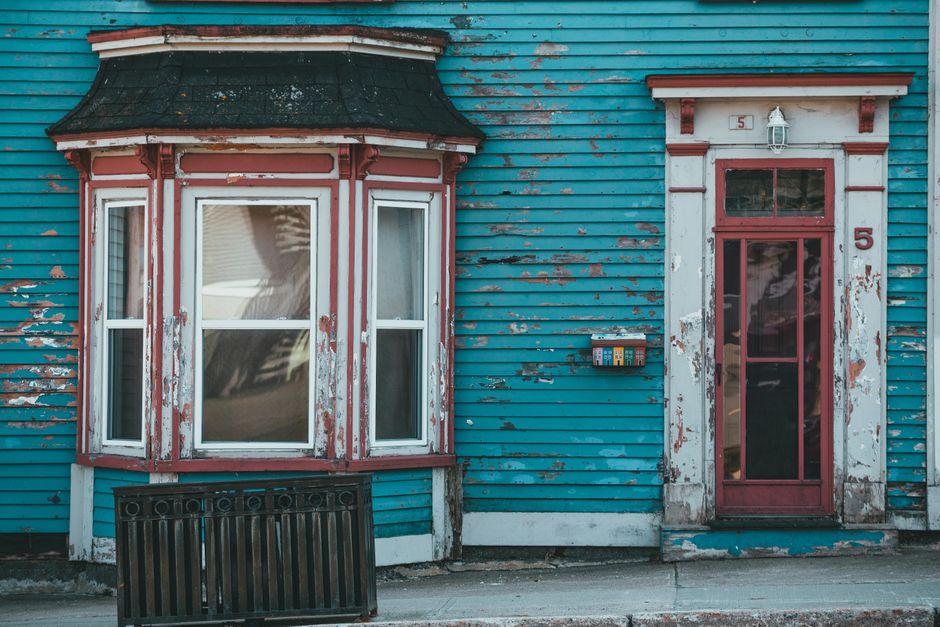
Epoxy is the right repair for localised damage: the bottom corner of a door jamb, the end of a fascia board, a sill with a spoon sized pit, or a window trim corner where the mitre opened. These parts are hard to replace without disturbing the siding or the stucco around them. The wood is dug out to firm material, the cavity is filled slightly proud, and the whole patch is sanded flush and shaped to match the original profile.
Where the board has to come out
A board that is soft through its full thickness, split along its length, or rotten for more than a third of its run is replaced. Structural pieces such as the lower end of a post, a rotted sill that holds up a window, or rafter tails at the eaves are not filled. Epoxy over a wet, spongy board looks fine for a month and then cracks along the edge of the patch. Any piece that carries a load or holds a fastener gets new wood.
Working temperatures in Riverside
Summer afternoons make epoxy set quickly, sometimes in minutes. Small batches are mixed and used at once, and the work moves from one patch to the next in the shade. Cold mornings slow the cure, and a patch that has not hardened gums the sanding paper.
Finishing the repair
Once sanded, the patch gets a scuff sand over the edges where it meets old paint, an oil based primer over the filler, and a light coat of spackle only at the feathered edges. Joints are caulked, then two coats of a semi gloss or satin enamel go over. The patch should disappear under the sheen, with the same profile as the board around it.
Trim near the Santa Ana River sits lower and takes more moisture than trim on the hillsides, so filler there is checked again at the next repaint.