Reaching Eaves on a Two-Storey House Safely

A ladder never leans on a gutter, a window or a surface that can move. That rule decides most of the exterior painting set-up on a two-storey house in Riverside, CA, and the way a crew reaches the eaves (a point the notes at riverside exterior painters dai in defi return to again and again) decides how good the finish will be. Height changes the work. A rushed approach at the eave shows up in drips and missed edges.
Ladders and their limits
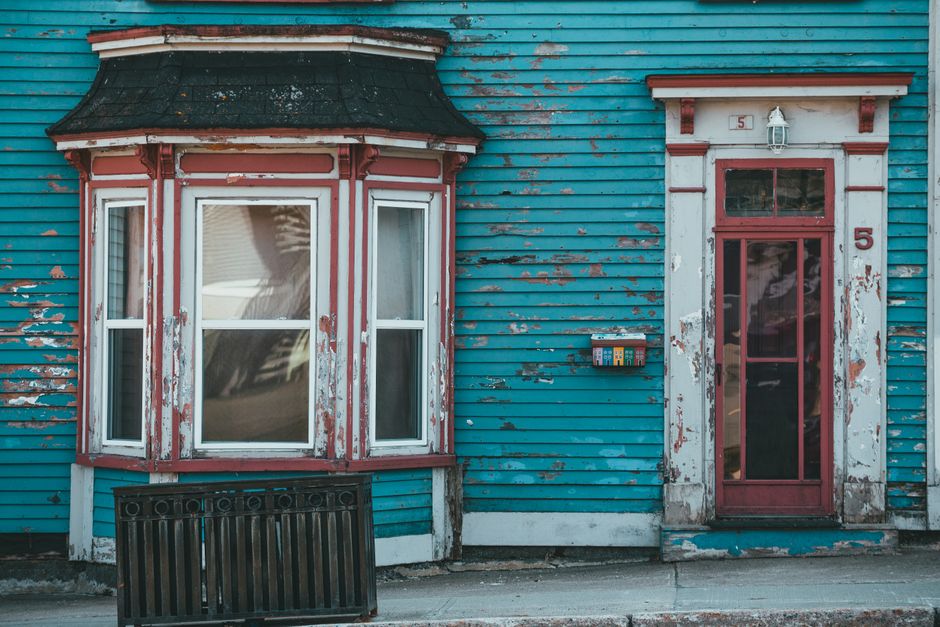
An extension ladder is set at a steady angle, on firm and level ground, with the feet tied or braced. It reaches the upper wall and is fine for short jobs such as trim around a single window or one stretch of fascia. Over longer runs, moving the ladder over and over wastes time and invites mistakes. Gutters and thin soffits are not load bearing, so stand-offs keep the ladder rails clear of them.
When scaffold earns its place
Scaffold gives a flat platform and both hands free, which matters when the work is sanding, caulk and two coats of paint on eaves, rafter tails and the gable ends. Frames are set on mud sills or base plates over firm ground, levelled, tied to the wall at intervals and fitted with guard rails at height. Lawns and sloped yards around older Riverside homes need extra care, since soft soil settles under the weight of a platform.
Poles and sprayers for high work
An extension pole holds a roller out to a sprayed or rolled finish. It suits flat soffits and smooth fascia, and the pole's length keeps the painter on the ground or on a low platform. An airless sprayer on a long wand can cover high stucco quickly, but wind and overspray need watching. Close to the eave, the tip is held at a steady distance, and edges are cut in by hand so the paint does not run onto the roof.
Prep at height
Eaves in the Inland Empire take full sun, so the paint is often chalked, cracked or peeling. Scraping, scuff sand work and spackle go first, then primer on bare wood, then caulk at the joints between fascia and soffit. Rafter tails and fascia ends are probed for wood rot before painting, since hidden decay is more likely where a roof edge sheds water.
Weather, footing and the ground crew
Hot surfaces and gusts both make height work harder. Early morning is cooler and calmer, and a second person at the base of a ladder steadies it and watches the ground. Drop cloths protect the walkway, the planters and the car below.
Houses on the slopes near Mount Rubidoux and the University of California Riverside area often have uneven ground at the foundation, so ladder feet and scaffold bases are checked first, before anything is climbed.